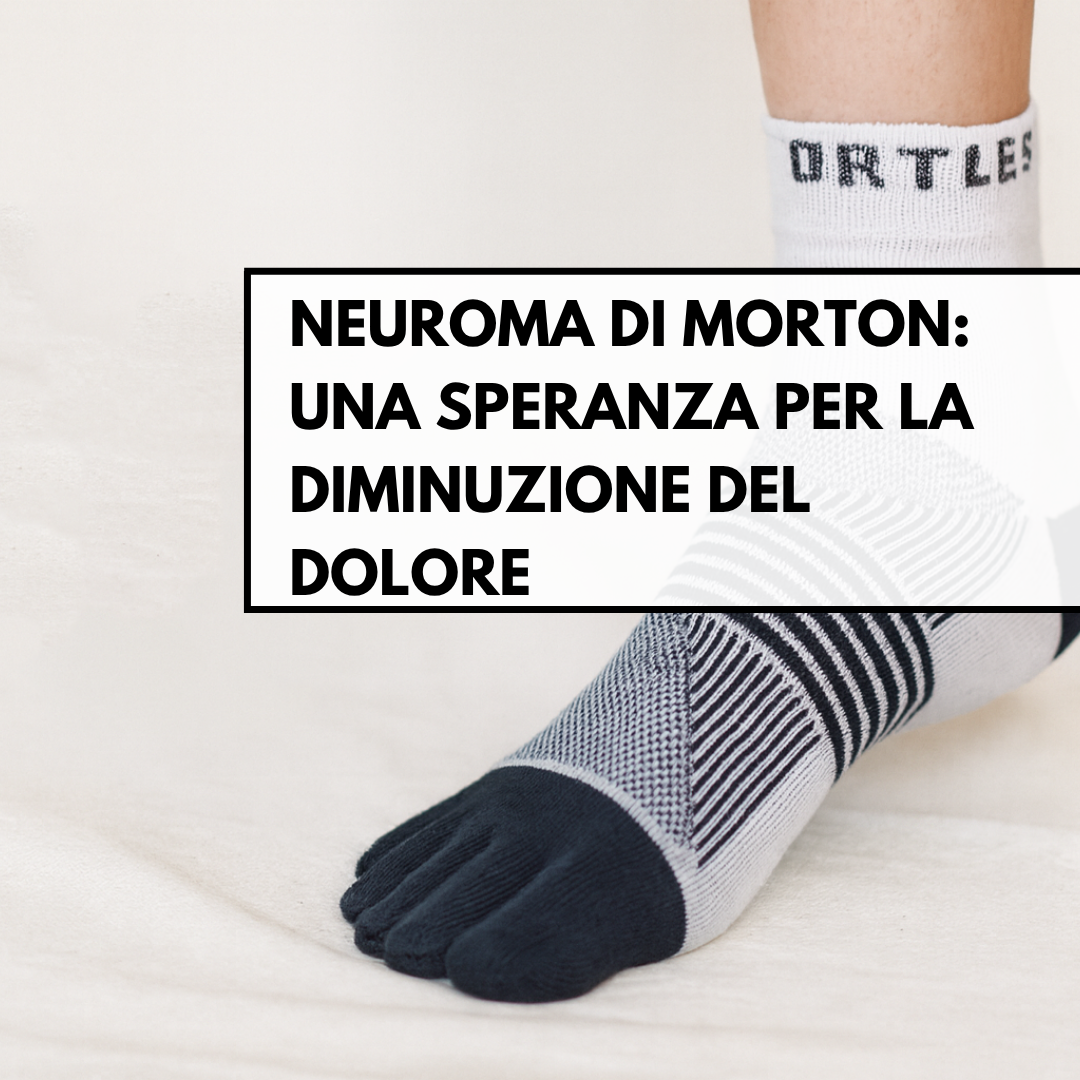
Toe socks and Morton's neuroma: a hope for pain reduction
Morton's neuroma (or intermetatarsal neuroma) is a painful condition that affects the plantar nerve between the metatarsal heads, often between the third and fourth metatarsals. It manifests as an intense burning, tingling, a sensation of having a pebble in your shoe, or numbness in the surrounding toes.
Faced with this discomfort, many people seek conservative solutions before resorting to invasive therapies: comfortable shoes with a wide toe box, orthotic insoles, or biomechanical modifications. In this context, toe socks can become a useful ally for relieving pressure and fostering a reduction in pain from Morton's neuroma.
How toe socks work in supporting neuromas
Separation and space for the toes
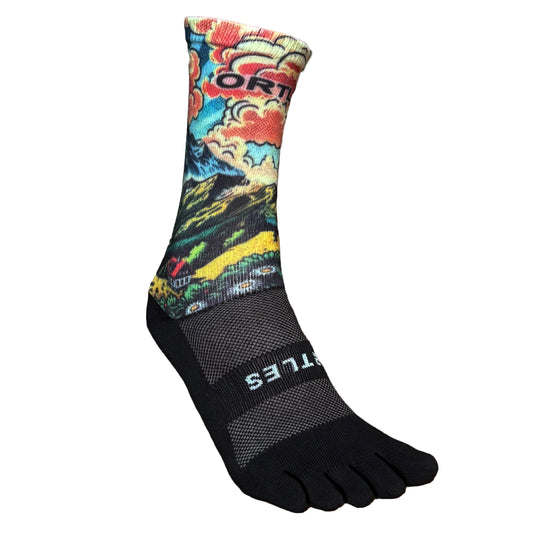
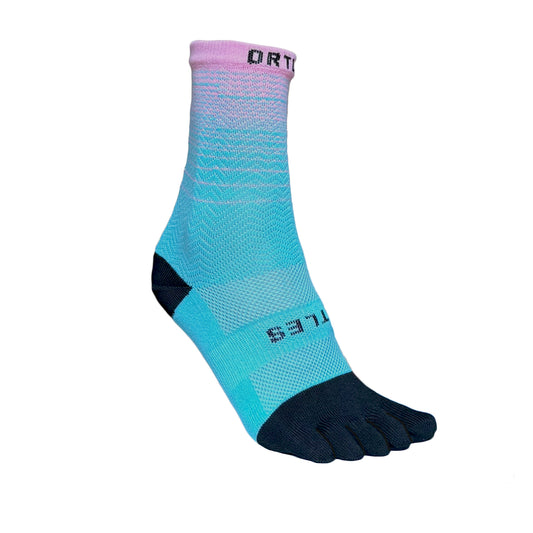
One of the main features of toe socks is that they wrap each toe individually, preventing the big toe and adjacent toes from being crushed against each other. By reducing friction and compression, stress on the intermetatarsal nerve can be relieved and pain while walking decreased.
Better pressure distribution
With the toes spread and separated, the pressure on the metatarsal is slightly redistributed. Although socks alone do not have the same effect as an orthotic with metatarsal pads, they can attenuate minor pressure points, contributing to a reduction in pain from Morton's neuroma during daily situations and light activities.
Proprioceptive stimulus and foot awareness
Toe socks maintain sensitive contact with each toe, stimulating motor perception and raising awareness of active toe usage. This encourages better support, avoiding postures that aggravate nerve compression.
Compatibility with other treatments
They can be used alongside metatarsal inserts, orthotic insoles with pads, or footwear with a wide toe box. Socks do not replace orthotics, but they offer complementary support. In fact, literature on forefoot pathologies cites orthotics, metatarsal pads, and modified shoes as an effective conservative treatment for forefoot syndromes, including neuromas.
Real-life cases: customer reviews from those who found relief


These testimonials, while anecdotal, show how soft support and natural toe alignment can provide concrete relief in everyday life.
Limitations, warnings, and realistic expectations
- Not a miracle cure: toe socks do not eliminate the neuroma nor do they replace medical treatments. They serve as conservative support.
- Variable effectiveness: the response depends on the severity of the neuroma, the biomechanical context of the foot, the state of inflammation, and the choice of footwear.
- Do not replace metatarsal orthotics: in moderate or severe cases, the use of metatarsal pads or special inserts remains a recommended standard.
- Listen to your body: if the pain worsens or you feel persistent tingling, consult a specialist.
- Gradual use: start wearing them in light situations for short distances to give your foot time to adapt to the modified alignment.
Conclusion
Toe socks are not a magic solution for Morton's neuroma, but they can be concrete support in the journey toward reducing pain from Morton's neuroma. They offer toe separation, reduced friction, improved pressure distribution, and proprioceptive stimulation. Combined with orthotics, suitable shoes, and good foot hygiene, they can contribute to more agile and less painful walking. Try them consistently, listen to your foot, and evaluate the improvements day by day.